Landlord Insurance vs Homeowners Policies
Two Different Policies for Two Different Situations
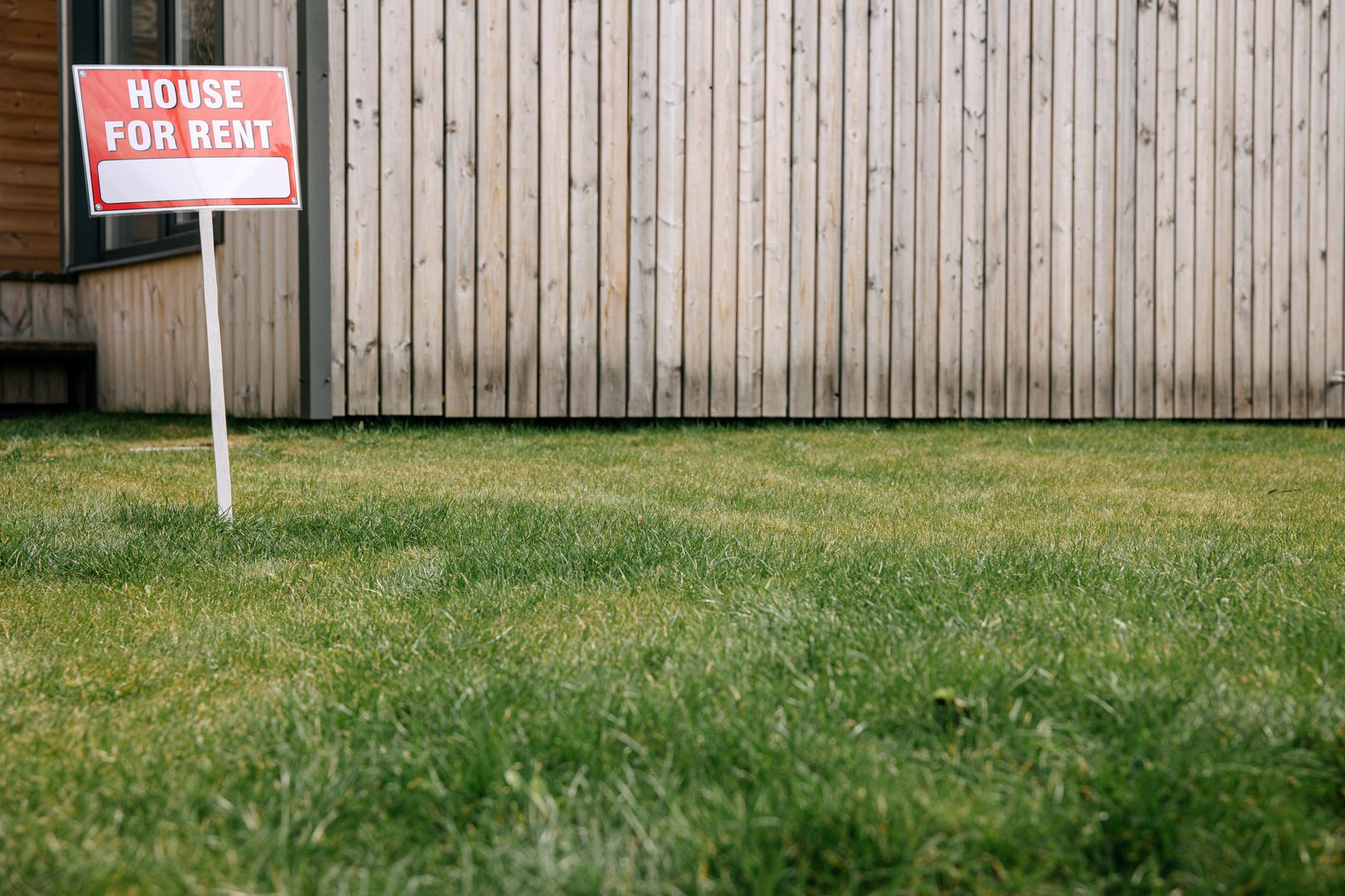
Many first-time landlords make a costly assumption: that their existing homeowners policy will cover them once they start renting out a property. It typically will not. Homeowners insurance and landlord insurance are designed for fundamentally different risk profiles, and using the wrong policy can result in denied claims at exactly the moment you need coverage most.
At Insurancecorp, we compare plans from multiple carriers across both categories so you can make an informed choice based on your specific property and rental situation.
What Homeowners Insurance Covers
A standard homeowners policy (commonly an HO-3 form) is built around owner-occupancy. It covers:
- The structure of the home against named or open perils
- Personal property belonging to the homeowner
- Personal liability for incidents on the property
- Additional living expenses if the owner is displaced after a covered loss
The key phrase is owner-occupancy. Most policies contain language that voids or limits coverage when the home is rented to tenants, because the risk profile changes substantially when you're not living there yourself.
What Landlord Insurance Covers
Landlord insurance (often called a dwelling policy or DP-3) is built for non-owner-occupied rental properties. Coverage typically includes:
- Dwelling coverage: Protects the structure and any fixtures or appliances you own at the property.
- Other structures: Fences, detached garages, and sheds used in connection with the rental.
- Liability coverage: Protects you if a tenant or guest is injured on the property and files suit.
- Loss of rental income: Reimburses lost rent if the property becomes uninhabitable due to a covered loss — a coverage homeowners policies generally do not include in a rental context.
Key Differences Side by Side
Personal Property
Homeowners policies cover your personal belongings extensively. Landlord policies cover only items you leave at the property for the tenant's use — like a refrigerator or washer — not the tenant's own possessions. Tenants need a separate renters insurance policy to protect their belongings, which many landlords now require as a lease condition.
Liability Exposure
Renting creates higher liability exposure than owner-occupancy. Tenant injuries, slip-and-fall claims, and habitability lawsuits are more common risks for landlords. Landlord policies are underwritten with this in mind, and many offer higher available liability limits than a standard homeowners policy would provide for the same property.
Loss of Use vs. Loss of Rental Income
Homeowners policies provide additional living expenses to cover a displaced homeowner's temporary housing. Landlord policies instead provide loss of rental income, replacing rent you cannot collect while a covered repair is underway. These are different benefits and should not be confused when comparing policy documents.
When You Might Need Both
If you rent out a portion of your primary residence — such as a basement apartment or an accessory dwelling unit — your situation is more complex. Some carriers offer endorsements to a standard homeowners policy for owner-occupied rentals with limited units. Others require a standalone landlord policy for any tenant-occupied space. Comparing carriers on Insurancecorp can help you identify which approach is available and most cost-effective for your arrangement.
What to Compare When Shopping
- Whether the policy form is open-peril (DP-3) or named-peril (DP-1), as this affects what losses are covered.
- The loss of rental income coverage limit and the waiting period before it activates.
- Liability limits offered and whether umbrella policies can be layered on top.
- Optional coverages like vandalism by tenants, building code upgrade costs, and flood or earthquake endorsements.
Frequently asked questions
Can I use my homeowners insurance if I rent my home out for just a few weeks a year?
Short-term rental coverage varies significantly by carrier. Some homeowners policies offer limited coverage or endorsements for occasional rentals, while others exclude any rental use entirely. Always notify your insurer before listing a property on any rental platform.
Does landlord insurance cover damage caused by tenants?
Some landlord policies include tenant damage coverage or offer it as an add-on, but it is not universally included. Review each carrier's policy language carefully and compare this feature when shopping on Insurancecorp.
Should I require my tenants to carry renters insurance?
Many landlords and attorneys recommend requiring renters insurance in the lease agreement. It protects tenants' personal property and can reduce disputes when a tenant's belongings are damaged in an event that your landlord policy does not cover.
Recommended in this guide
Often among the first quotes worth comparing for auto.
- Strong digital quotes
- Usage-based discount options
Reliable baseline quote for almost every auto shopper.
- Easy online flow
- Broad availability
Best when you value local agent support over pure DIY pricing.
- Huge agent network
- Strong bundling